Презентация по английскому «London — the Capital of the UK»
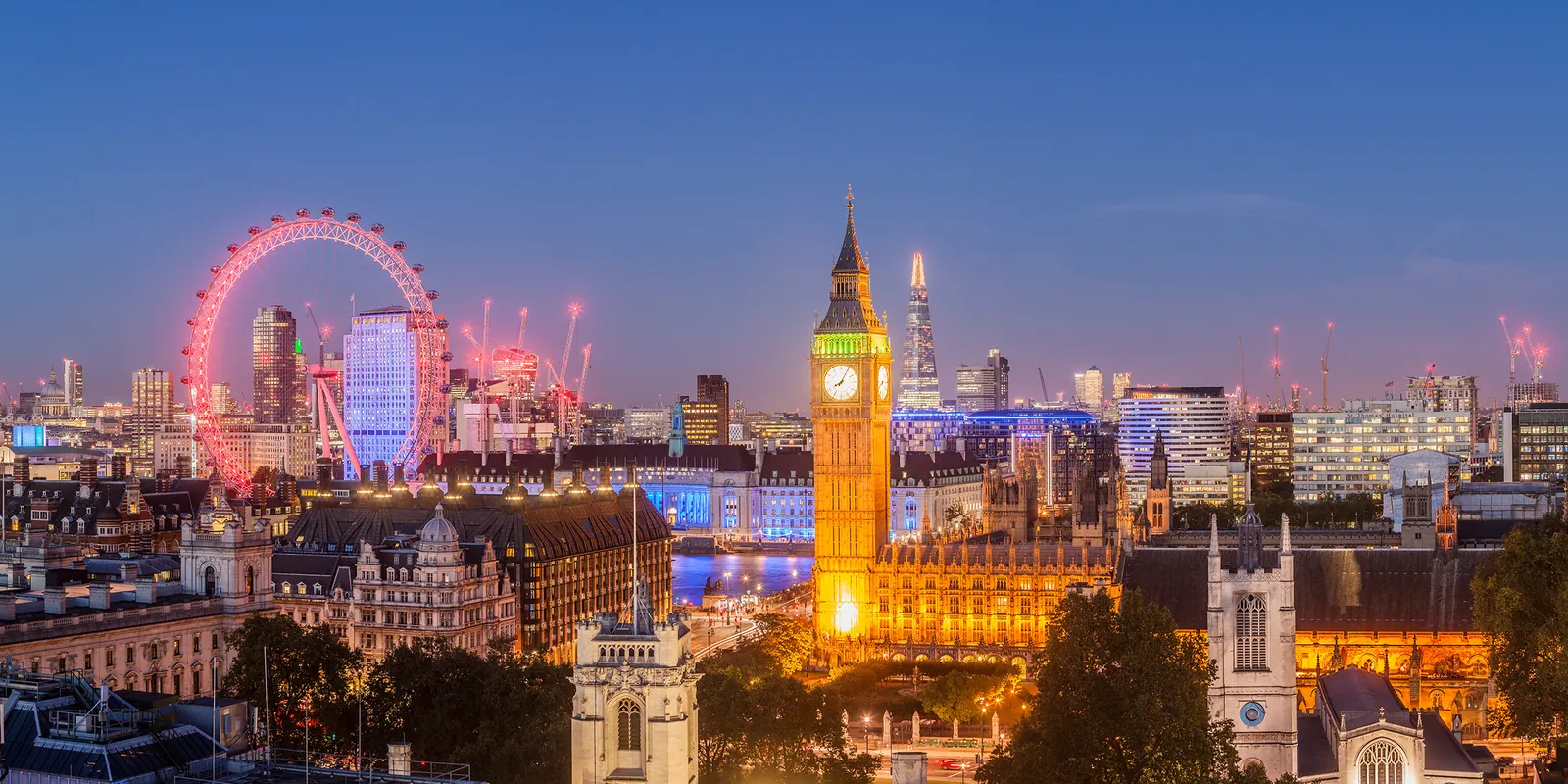
Discover the history, culture, and iconic landmarks of Great Britain's vibrant capital.
Текст слайда 1
Presentation
London – The Capital of the United Kingdom
Discover the history, culture, and iconic landmarks of Great Britain's vibrant capital.
Речь к слайду 1
- London – capital of UK
- History, culture, landmarks
- Let's start!
Good morning, everyone! Today we're going to explore London, the capital of the United Kingdom. I'll take you through its fascinating history, famous landmarks, and interesting facts. Let's begin our journey through one of the world's most iconic cities.
Текст слайда 2
Geography
London on the Map of the UK
London
United Kingdom
Речь к слайду 2
- London in southeast England on Thames
- Capital of UK
- History and culture next
- Map highlights location
As you can see on the map, London is located in the southeast of England, on the River Thames. It is the capital of the United Kingdom and one of the most important global cities. Its location has historically made it a centre of trade and culture. Today, understanding its geography helps us appreciate its role in the country. Next, we will look at the history of this fascinating city.
Romans founded the city on the River Thames, establishing a trading port and military base.
William the Conqueror built the Tower of London and the city became the capital of England.
A devastating fire destroyed much of the medieval city, leading to a massive rebuilding project.
London became the world's largest city, with the arrival of railways, the Underground, and iconic landmarks.
A global hub for finance, culture, and tourism, with a diverse population of over 8 million.
Текст слайда 3
History
A Brief History of London
43 AD
Roman Londinium
Romans founded the city on the River Thames, establishing a trading port and military base.
1066
Norman Conquest
William the Conqueror built the Tower of London and the city became the capital of England.
1666
Great Fire of London
A devastating fire destroyed much of the medieval city, leading to a massive rebuilding project.
1837–1901
Victorian Era
London became the world's largest city, with the arrival of railways, the Underground, and iconic landmarks.
Today
Modern London
A global hub for finance, culture, and tourism, with a diverse population of over 8 million.
Речь к слайду 3
- Roman Londinium 43 AD
- Norman Conquest 1066
- Great Fire 1666
- Victorian era largest city
- Modern global hub
- Each event shaped London
Let's take a quick journey through London's rich history. It all began in 43 AD when the Romans founded Londinium. Then in 1066, William the Conqueror came and made London the capital. The Great Fire of 1666 destroyed much of the city but led to a modern renaissance. By the Victorian era, London was the largest city in the world. And today, it's a vibrant, multicultural metropolis. This timeline shows how each event shaped the London we know.
Discover the top landmarks that define London's skyline and history.
Текст слайда 4
Must-See Spots
Main Attractions in London
Discover the top landmarks that define London's skyline and history.
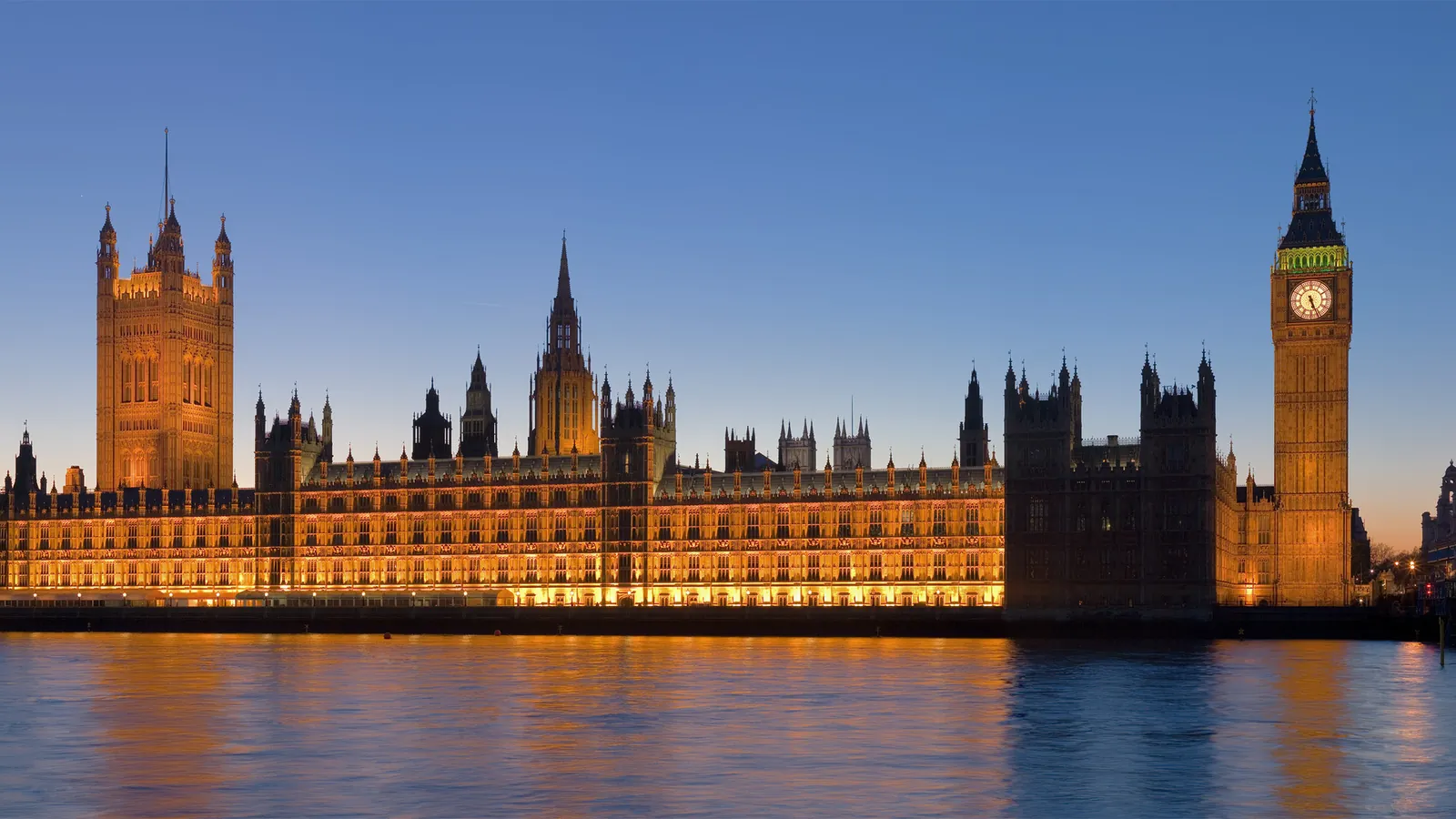
Big Ben
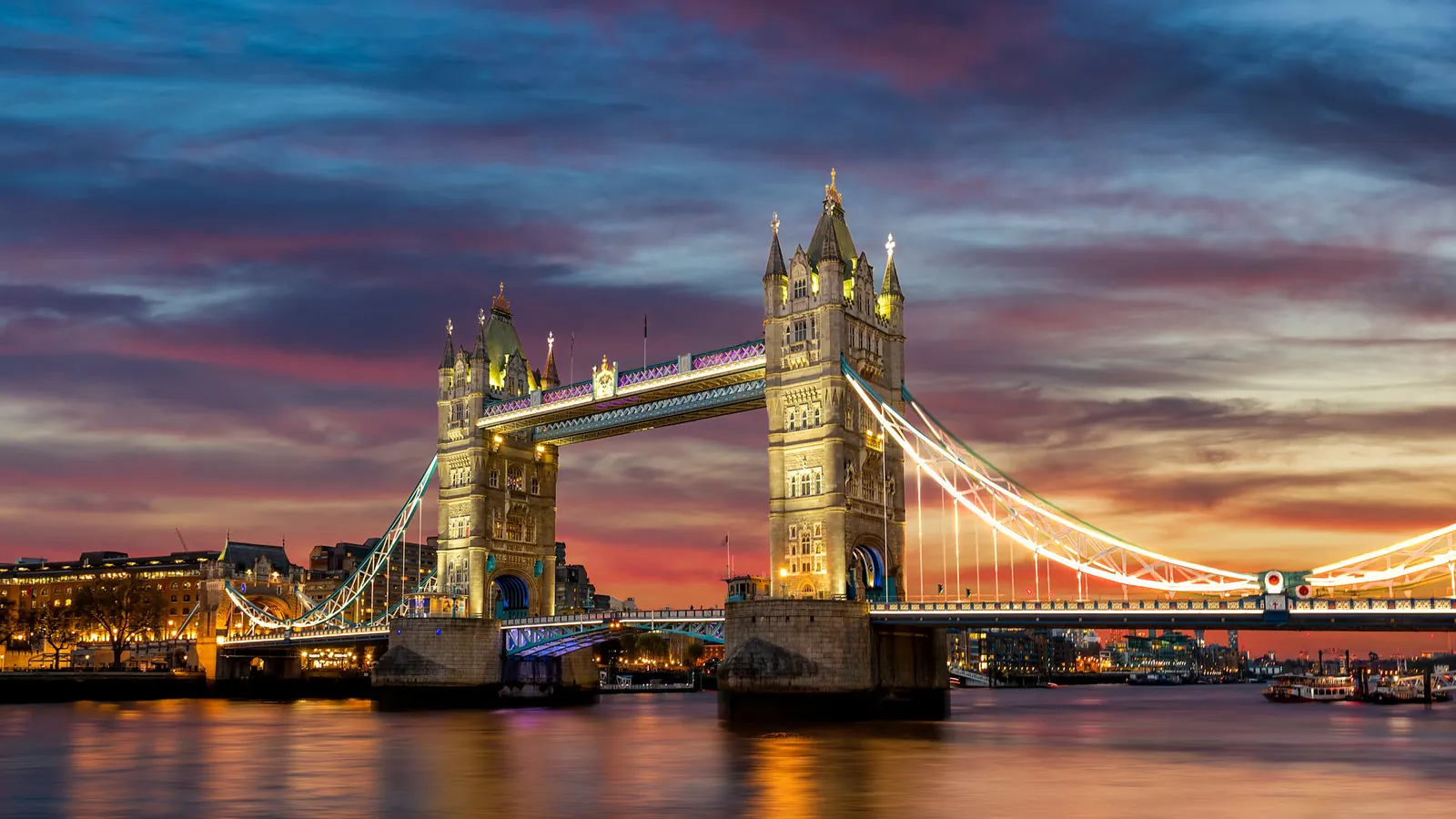
Tower Bridge
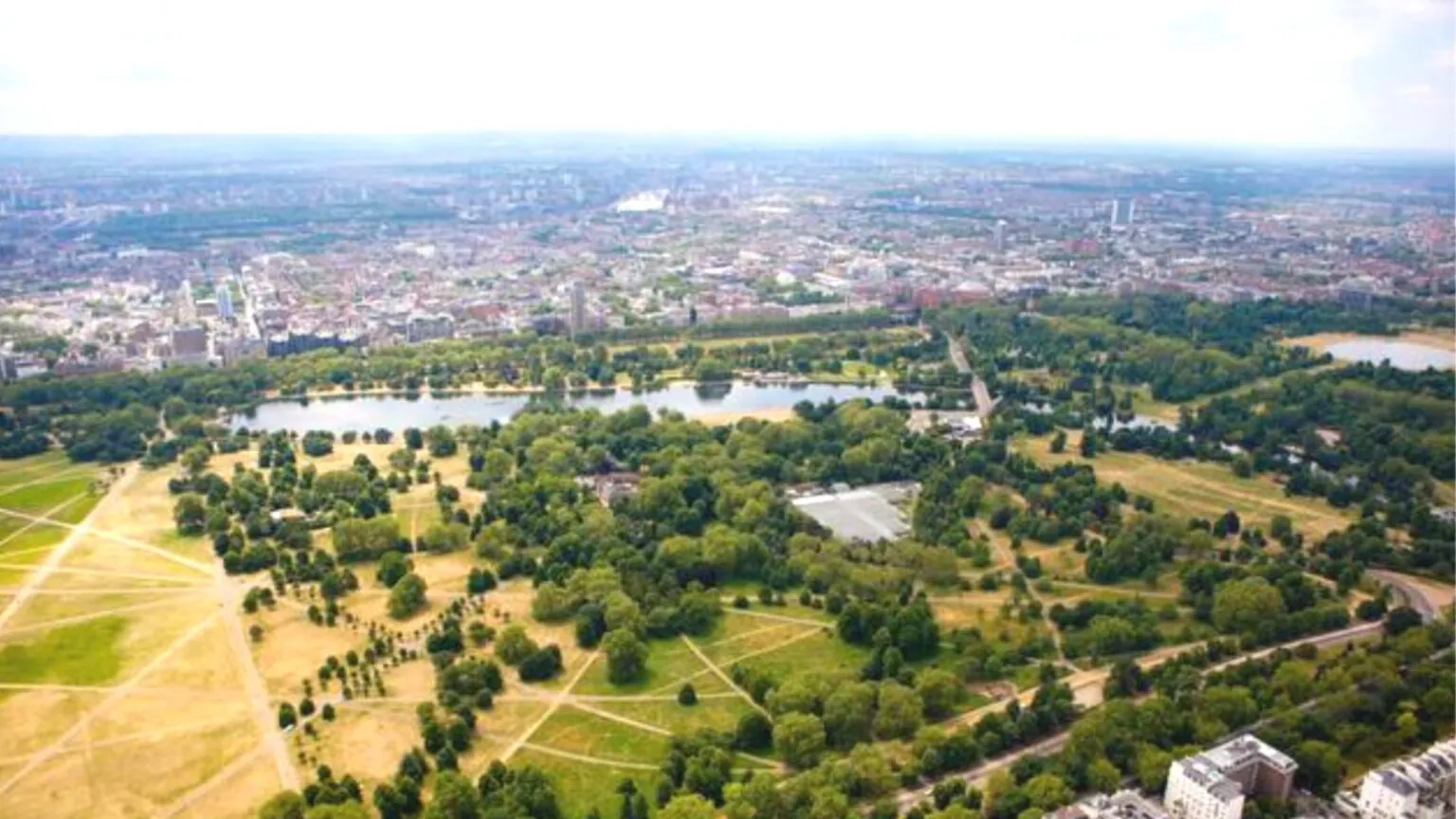
Hyde Park
Речь к слайду 4
- Three key attractions
- Big Ben, Tower Bridge, Hyde Park
- Next slide: more details
Now let's take a look at the must-see attractions that make London so iconic. Big Ben, the Tower Bridge, and Hyde Park are just a few examples of the city's rich history and culture.
The Elizabeth Tower, commonly known as Big Ben, is the iconic clock tower of the Houses of Parliament. The Palace of Westminster is the meeting place of the UK Parliament. Together, they symbolize London's history and democracy.
Big Ben’s bell weighs over 13 tons.
Текст слайда 5
Iconic Landmarks
Big Ben & Westminster Palace
The Elizabeth Tower, commonly known as Big Ben, is the iconic clock tower of the Houses of Parliament. The Palace of Westminster is the meeting place of the UK Parliament. Together, they symbolize London's history and democracy.
Big Ben’s bell weighs over 13 tons.
Речь к слайду 5
- Big Ben is the bell in Elizabeth Tower
- Houses of Parliament = UK government seat
- Gothic Revival architecture
- Next: Tower Bridge
Let’s take a closer look at one of London’s most recognizable sights: Big Ben and the Houses of Parliament. The Elizabeth Tower, which houses the famous bell Big Ben, stands at the north end of the Palace of Westminster. The palace itself is a masterpiece of Gothic Revival architecture and has been the seat of British government for centuries. Every year, millions of visitors admire these landmarks. Next, we’ll explore another iconic London symbol — the Tower Bridge.
The Tower of London, a historic castle on the Thames, has been a royal palace, prison, and treasury. Its White Tower was built by William the Conqueror in 1078. Tower Bridge, a bascule and suspension bridge completed in 1894, features twin towers. Together they create an iconic London skyline.
The Tower of London houses the Crown Jewels; the bridge opens about 800 times a year.
Текст слайда 6
London Landmarks
Tower of London & Tower Bridge
The Tower of London, a historic castle on the Thames, has been a royal palace, prison, and treasury. Its White Tower was built by William the Conqueror in 1078. Tower Bridge, a bascule and suspension bridge completed in 1894, features twin towers. Together they create an iconic London skyline.
The Tower of London houses the Crown Jewels; the bridge opens about 800 times a year.
Речь к слайду 6
- Tower of London: 900 years old, Crown Jewels
- Tower Bridge: opens for ships, glass floor
- Both next to each other
- Next: museums and parks
Now let's talk about two of London's most famous landmarks: the Tower of London and Tower Bridge. The Tower of London is over 900 years old and has a fascinating history as a royal palace, prison, and even a zoo. You can see the Crown Jewels there and meet the Yeoman Warders, also known as Beefeaters. Tower Bridge, often confused with London Bridge, is a stunning Victorian bridge that still opens for tall ships. Walking across the high-level glass floor is a thrilling experience. These two sites are right next to each other and make a perfect day out in London.
London is famous for its world-class museums, such as the British Museum and the Natural History Museum, as well as its beautiful parks — Hyde Park and Regent's Park. Everyone will find something interesting here: from ancient artefacts to scenic green spaces.
Over 170 museums and 8 Royal Parks in London
Текст слайда 7
Culture & Leisure
Museums & Parks of London
London is famous for its world-class museums, such as the British Museum and the Natural History Museum, as well as its beautiful parks — Hyde Park and Regent's Park. Everyone will find something interesting here: from ancient artefacts to scenic green spaces.
Over 170 museums and 8 Royal Parks in London
Речь к слайду 7
- The British Museum and the Natural History Museum
- Hyde Park and Regent's Park — green oases
- Over 170 museums, 8 Royal Parks
- Next: interesting facts about London
London is not only about historic buildings — it also offers an incredible variety of museums and parks. The British Museum holds treasures from all over the world, and the Natural History Museum amazes visitors with its dinosaur collection. If you want to relax outdoors, Hyde Park and Regent's Park are perfect places for a walk. You can watch squirrels, feed the swans, or simply lie on the grass. Londoners love their parks, and you will love them too. Now let's move on to some interesting facts about the city.
More than 8 million residents London is the most populous city in the UK.
World's oldest underground railway The London Underground opened in 1863, known as the Tube.
Over 170 museums From the British Museum to the Natural History Museum, there's something for everyone.
Текст слайда 8
London
Interesting Facts About London
More than 8 million residents London is the most populous city in the UK.
World's oldest underground railway The London Underground opened in 1863, known as the Tube.
Over 170 museums From the British Museum to the Natural History Museum, there's something for everyone.
Речь к слайду 8
- Over 8 million residents - biggest in UK
- Oldest underground - Tube opened 1863
- 170+ museums - world-class collections
- Next slide: useful English words
Let's look at some fun facts about London. Did you know that over 8 million people live here? It's the most populous city in the UK. And the London Underground is the oldest underground railway in the world, opened in 1863. Also, with more than 170 museums, you'll never run out of things to explore. Now let's move on to some useful English words related to our topic.
Try to make a sentence using each word.
Текст слайда 9
Vocabulary
Useful English Words & Phrases
Underground
[ˌʌndəˈɡraʊnd]
метро, подземка
The Underground is the fastest way to travel.
Double-decker bus
[ˌdʌbl ˈdekə bʌs]
двухэтажный автобус
I love riding on a double-decker bus.
Queue
[kjuː]
очередь
People in London often queue politely.
Landmark
[ˈlændmɑːk]
достопримечательность
Big Ben is a famous landmark.
Theatre
[ˈθɪətə]
театр
We went to the theatre to see a play.
Задание
Try to make a sentence using each word.
Речь к слайду 9
- Go through vocabulary words
- Underground = метро
- Double-decker bus = двухэтажный автобус
- Queue politely, Landmarks, Theatre
- Practice sentences
Now let's learn some useful English words and phrases related to London. I'll go through each word with you. First, 'Underground' — that's what we call the subway system here. Next, 'double-decker bus' — you've probably seen these red buses in pictures. Then 'queue' — Londoners are famous for queuing patiently. 'Landmark' refers to famous places like the Tower of London. And finally, 'theatre' — London's West End is full of great shows. Try to remember these words and practice making sentences with them.
We have seen London's rich history, iconic landmarks, and vibrant culture. Thank you for joining this journey!
Текст слайда 10
Conclusion
Summary & Thank You
We have seen London's rich history, iconic landmarks, and vibrant culture. Thank you for joining this journey!
Речь к слайду 10
- London’s history and landmarks
- Big Ben, Tower Bridge, museums
- Thank the audience
- Invite questions
We've covered a lot today — from London's origins as a Roman settlement to its modern status as a global city. We saw the majestic Big Ben and the historic Tower of London. We also explored its museums like the British Museum and parks like Hyde Park. I hope you discovered something new about this amazing city. Thank you for your attention, and if you have any questions, feel free to ask.